ReptiChip LLC
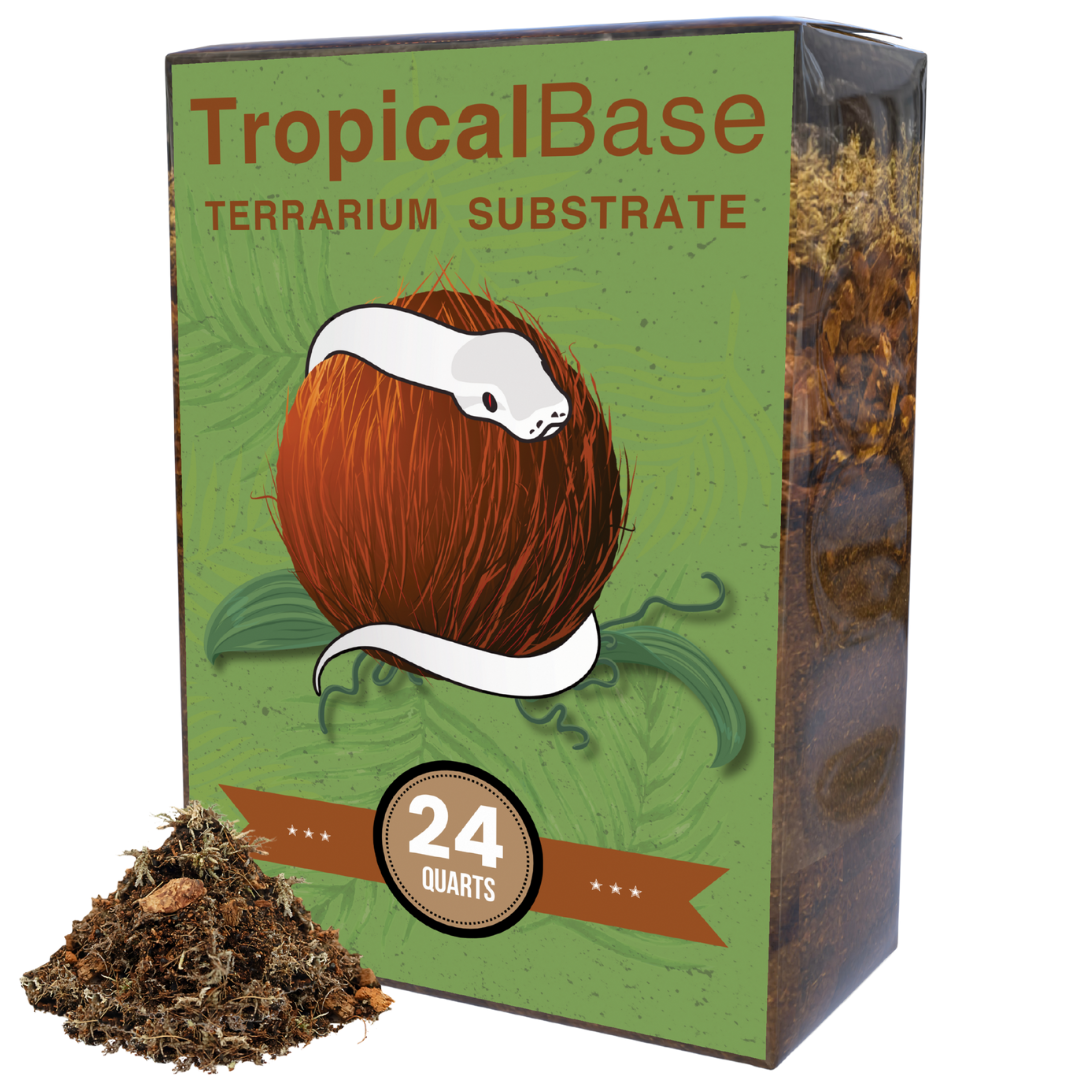
TropicalBase Terrarium Mix; Bioactive Ready to Use
TropicalBase Terrarium Mix; Bioactive Ready to Use
Couldn't load pickup availability
The foundation of a thriving bioactive enclosure starts below the surface. TropicalBase Terrarium Mix is a specially formulated substrate base designed to support drainage, root growth, and the beneficial microfauna that make bioactive setups self-sustaining. If you're building a planted or bioactive vivarium, this is where it starts.
What it is
A ready-to-use bioactive substrate base mix formulated for tropical and high-humidity terrarium environments. Designed to support drainage, aeration, live plant root systems, and the isopod and springtail populations that form the backbone of a bioactive cleanup crew.
What it's used for
- Base layer in bioactive and planted terrarium builds
- Supporting drainage and preventing substrate compaction in high-humidity setups
- Providing a root-friendly medium for live tropical plants
- Creating the right environment for isopod and springtail microfauna to thrive
May be appropriate for
- Crested geckos, day geckos, and other arboreal species in bioactive enclosures
- Dart frogs and tropical amphibians in heavily planted vivariums
- Chameleons and other species in large, planted naturalistic builds
- Any keeper building a bioactive or planted tropical terrarium
Specs
- Ready to use — no prep or hydration required
- Formulated for drainage, aeration, and root support
- Supports beneficial microfauna (isopods, springtails)
- Designed for tropical and high-humidity environments
Husbandry notes
Use as a base layer beneath your primary substrate — typically 2–3 inches of TropicalBase under 3–4 inches of topsoil or coir mix. This drainage layer is critical in high-humidity setups to prevent anaerobic conditions and substrate rot. Introduce your cleanup crew (isopods and springtails) after the enclosure has been planted and allowed to establish for 2–4 weeks.
A well-built bioactive enclosure takes time to establish but dramatically reduces maintenance long-term. Getting the substrate layers right from the start is the most important step.
Share